Imagine this: you’re driving in Edmonton, and your car suddenly breaks down. You need a tow truck—but did you know there are different types, each designed for specific towing needs? At FLM Towing, we want you to know your options so your vehicle is transported safely and efficiently.
In this guide, we break down the main types of tow trucks and explain when each one is best suited for the job—whether it’s an accident recovery, heavy-duty tow, or moving your vehicle safely to a repair shop.
1. Flatbed Tow Trucks
Description:
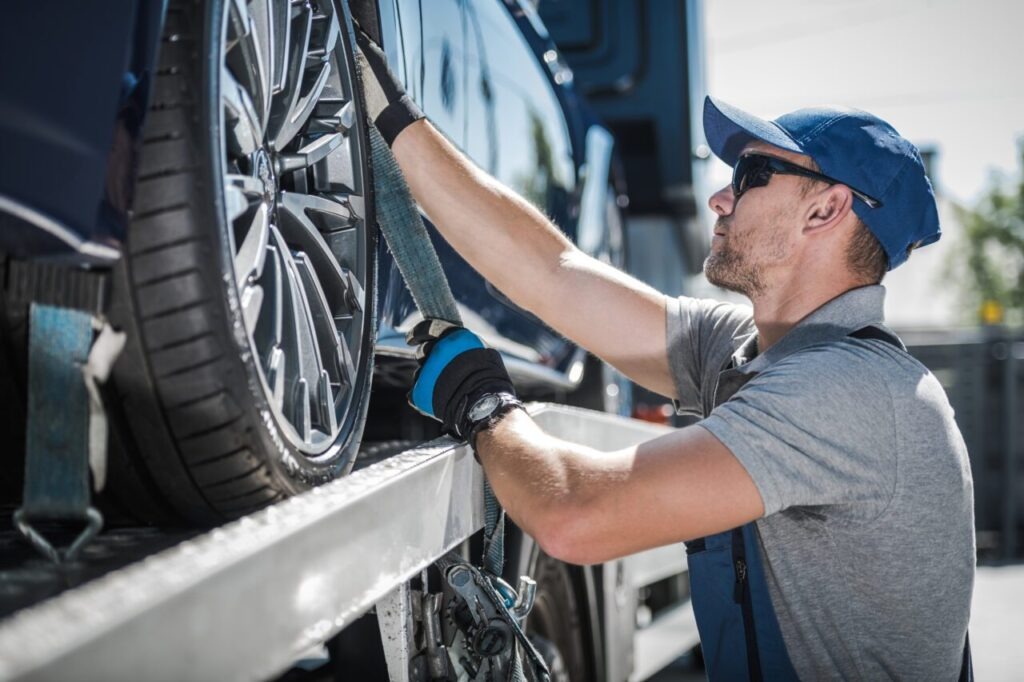
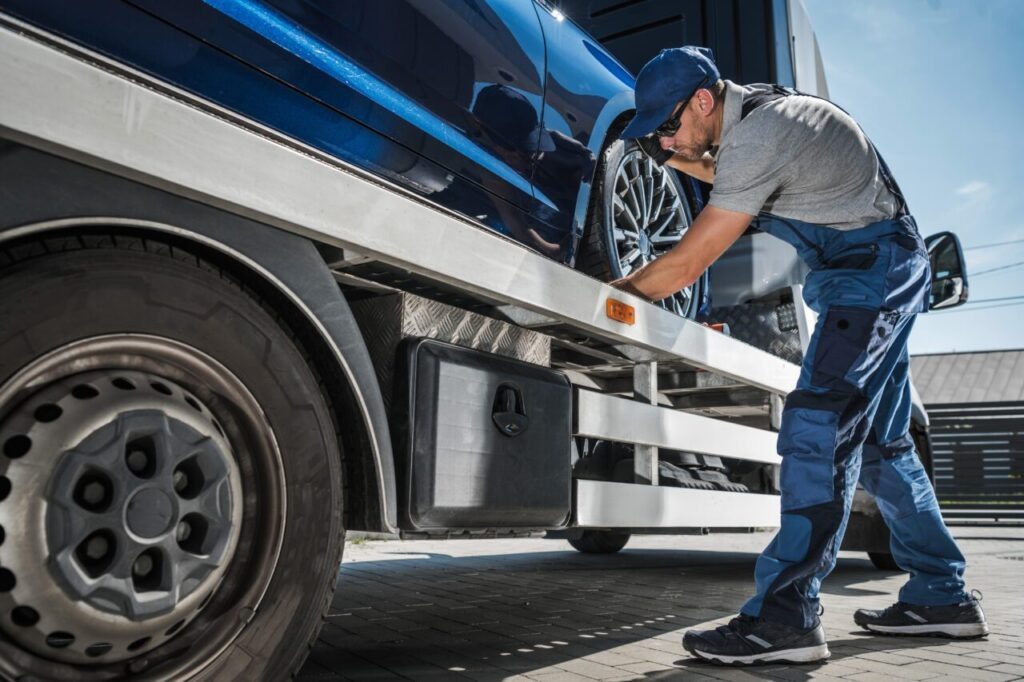
Flatbed tow trucks are among the safest and most versatile towing options. They feature a large, flat platform where your vehicle sits completely off the ground, reducing the risk of damage.
Best For:
Luxury cars
All-wheel-drive vehicles
Motorcycles
Any vehicle that requires extra care during transport
How It Works:
The platform tilts down so your vehicle can be driven or winched onto it. Once secured, the bed levels back out, and your vehicle is safely transported with all wheels off the road.
2. Hook and Chain Tow Trucks
Description:
The classic tow truck design, hook and chain trucks secure the vehicle by lifting one end with a chain hooked to the axle or frame.
Best For:
Junk vehicles
Cars being taken to scrap yards
Considerations:
This method can cause scratches or minor damage, so it’s generally avoided for modern or high-value cars. It’s best used for older vehicles or those destined for recycling.
3. Wheel-Lift Tow Trucks
Description:
Wheel-lift trucks are a modern, vehicle-friendly update to the hook and chain method. They use a metal yoke under the front or rear wheels to lift one end of the vehicle, letting the other wheels roll along the road.
Best For:
Short-distance tows
Vehicles with minor issues
Situations where full flatbed protection isn’t needed
Considerations:
Wheel-lift towing is gentler than hook and chain, but only certain vehicles—usually two-wheel drives—should be towed this way to avoid drivetrain damage.
4. Integrated Tow Trucks
Description:
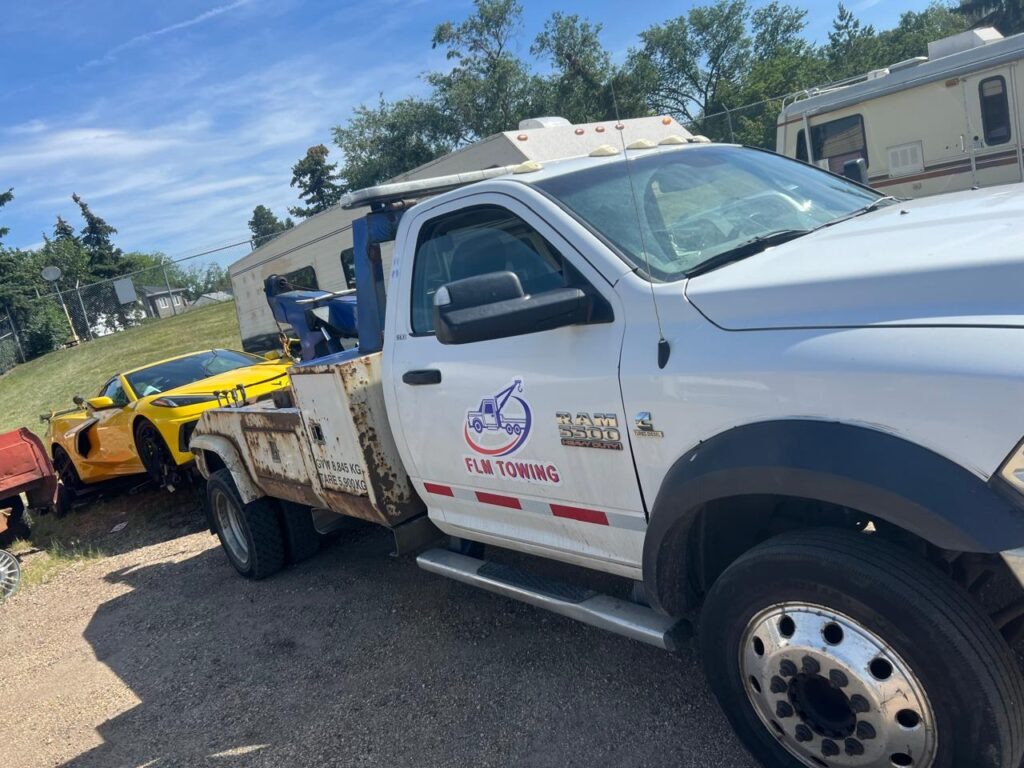
Integrated tow trucks are heavy-duty trucks built with strong arms and axles to handle large vehicles like buses, RVs, and semi-trucks. They combine a boom and wheel-lift system for maximum strength and stability.
Best For:
Buses
RVs
Large trucks or commercial vehicles
How It Works:
With hydraulic booms and reinforced axles, integrated trucks safely tow heavier vehicles that standard trucks cannot handle. These are typically used by professional towing companies for major recovery operations.
5. Specialty Tow Trucks
Description:
Specialty trucks, such as rotators, are designed for unique or complex recovery situations. They have cranes that rotate 360°, allowing them to retrieve vehicles from difficult spots.
Best For:
Vehicles stuck in ditches or embankments
Cars trapped in tight spaces after accidents
Complex recoveries that standard trucks can’t handle
Considerations:
These trucks are more expensive to operate and are typically used only by trained professionals when a standard tow won’t work safely.
Conclusion
Knowing the types of tow trucks available helps you make an informed decision when you need towing services. From flatbeds for maximum protection to integrated and specialty trucks for heavy or tricky recoveries, each type has its ideal scenario.
At FLM Towing, we assess your vehicle and situation to recommend the safest and most effective towing solution. Whether it’s a routine tow, roadside recovery, or a heavy-duty vehicle, our team in Edmonton is ready to get you moving safely.