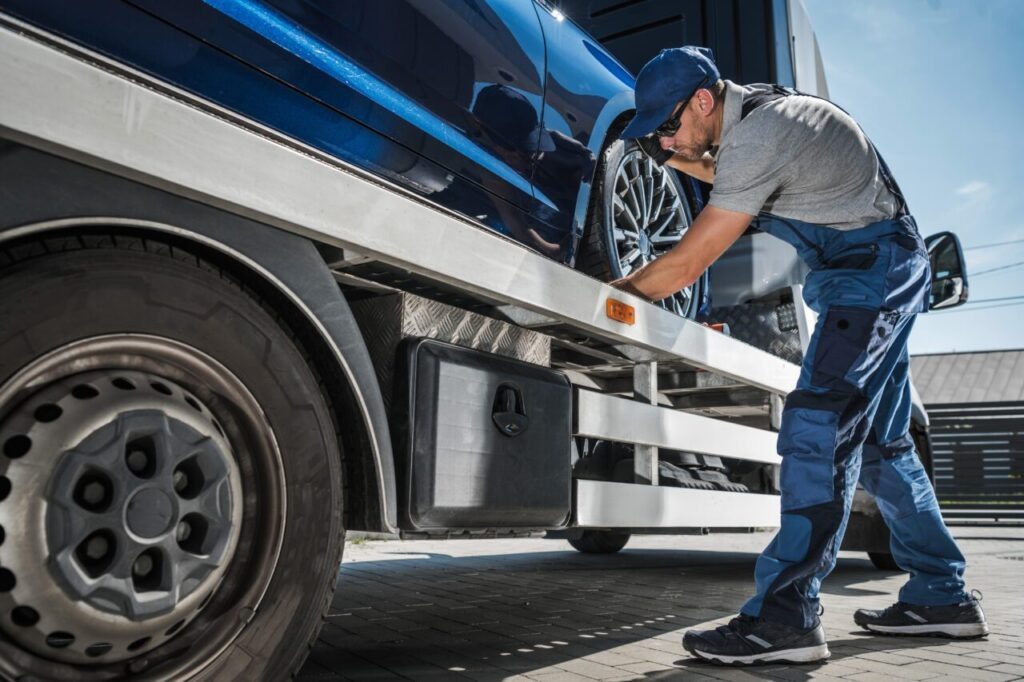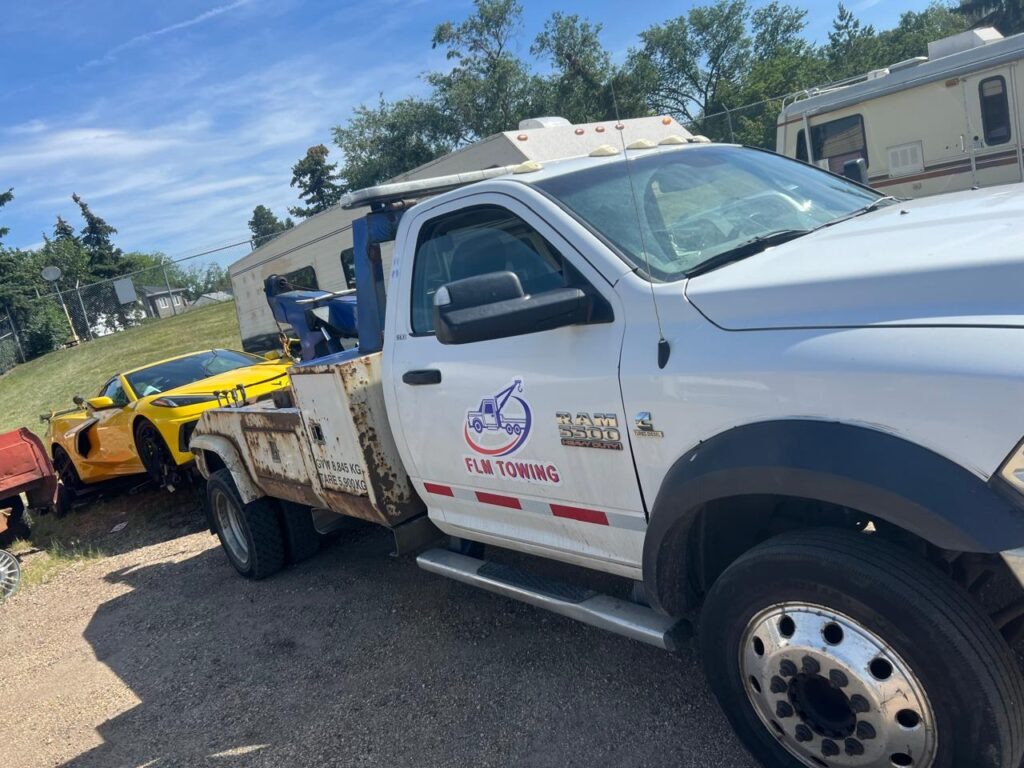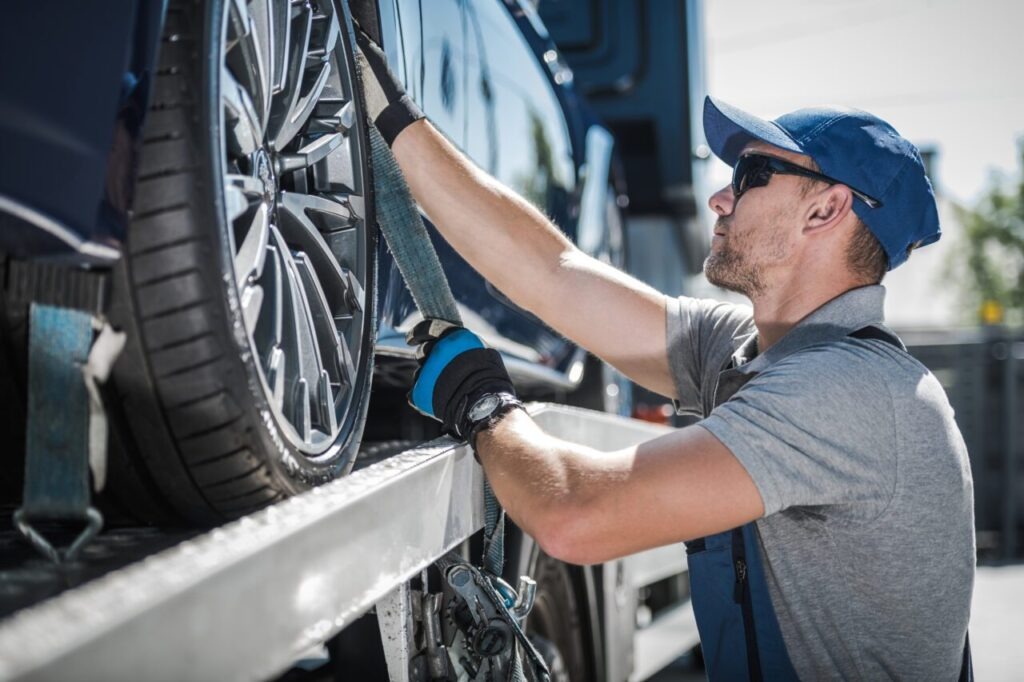
Imagine this: your car breaks down on the road in Edmonton, and you’re stuck with no easy solution. You think about calling a recovery truck—or even driving one yourself—but then the question comes up: can I legally drive a recovery truck with a standard car licence in Alberta?
At FLM Towing, we get asked this question all the time. Whether you’re interested in recovery work professionally or just want to understand the rules, knowing the licence requirements is essential. This guide breaks it down for Edmonton drivers.
Why People Consider Driving a Recovery Truck
Driving a recovery truck might seem straightforward if you’ve handled cars, vans, or SUVs before. But these vehicles are larger, heavier, and carry other vehicles, so they require special consideration. Typical situations include:
Helping Friends or Family: Assisting someone stranded on an Edmonton road.
Starting a Towing or Recovery Service: Many entrepreneurs want to launch towing services in Edmonton and surrounding areas.
Temporary Personal Use: Moving a friend’s vehicle or helping with your own breakdown.
In each case, it’s important to understand whether your standard car licence is enough.
Understanding Alberta Driving Licences for Recovery Trucks
Alberta licences are classified based on vehicle weight and type:
Class 5 Licence (Car Licence): Allows you to drive cars and small trucks. Maximum weight limit is roughly 11,794 kg gross vehicle weight for smaller trucks, but there are restrictions on towing heavier vehicles.
Class 3 Licence: Required for driving larger trucks and recovery vehicles towing heavier loads. Most medium and heavy recovery trucks fall under this category.
Trying to operate a recovery truck beyond your licence class can lead to fines, penalties, and insurance issues.
Can You Drive a Recovery Truck on a Class 5 Licence?
The short answer: usually no.
Most recovery trucks in Edmonton exceed the weight or towing limits for a standard Class 5 licence. Operating one legally typically requires at least a Class 3 licence.
Why this rule exists: Recovery trucks carry heavy loads, tow vehicles, and require more advanced control than a standard car. Licensing ensures driver and public safety on Alberta roads.
Possible Exceptions
There are a few limited scenarios where a standard car licence may work:
Light Recovery Vehicles: Smaller flatbed trucks or trailers that stay within Class 5 limits.
Modified Vehicles: Certain trucks designed to stay under the weight limit—but always verify with Alberta Transportation before driving.
For most recovery trucks in Edmonton, however, a Class 3 licence is required.
How to Legally Drive a Recovery Truck in Edmonton
Here’s what you can do to operate a recovery truck safely and legally:
1. Upgrade to a Class 3 Licence
Step 1: Book a medical exam if required.
Step 2: Apply for a Class 3 learner’s permit.
Step 3: Complete the required theory and practical road tests.
2. Hire a Licensed Driver
If you only need a recovery truck temporarily, FLM Towing can provide a professional driver. You can still move vehicles safely without holding the licence yourself.
Additional Considerations
Before driving a recovery truck, consider:
Insurance: Recovery trucks require special insurance for towing operations.
Training: Proper training for towing, load handling, and vehicle recovery is essential.
Vehicle Maintenance: Regularly inspect brakes, tires, hydraulics, and other key systems before each job.
Summary
Most Edmonton drivers cannot legally drive a recovery truck with a standard Class 5 licence. A Class 3 licence is usually required for medium and heavy recovery vehicles. Exceptions exist but are rare, so always verify the vehicle’s weight and licensing requirements.
At FLM Towing, we handle recovery safely and professionally. Whether you need roadside assistance, towing, or recovery services in Edmonton, Sherwood Park, or Leduc, our licensed drivers have the training and equipment to get you moving—legally and safely.